How to Set Up a Windowsill Mini-Greenhouse
A step-by-step guide to assembling a compact, transparent growing enclosure on a standard windowsill — from tray selection to humidity retention in cold climates.
Updated June 2026 Read article →Starting seedlings indoors during a Canadian winter involves more than placing a pot near a window. These guides cover microclimate management, supplemental lighting, and watering routines that work when temperatures outside drop well below freezing.
Three focused articles covering the key aspects of cold-season indoor seedling production: structure, lighting, and moisture management.
A step-by-step guide to assembling a compact, transparent growing enclosure on a standard windowsill — from tray selection to humidity retention in cold climates.
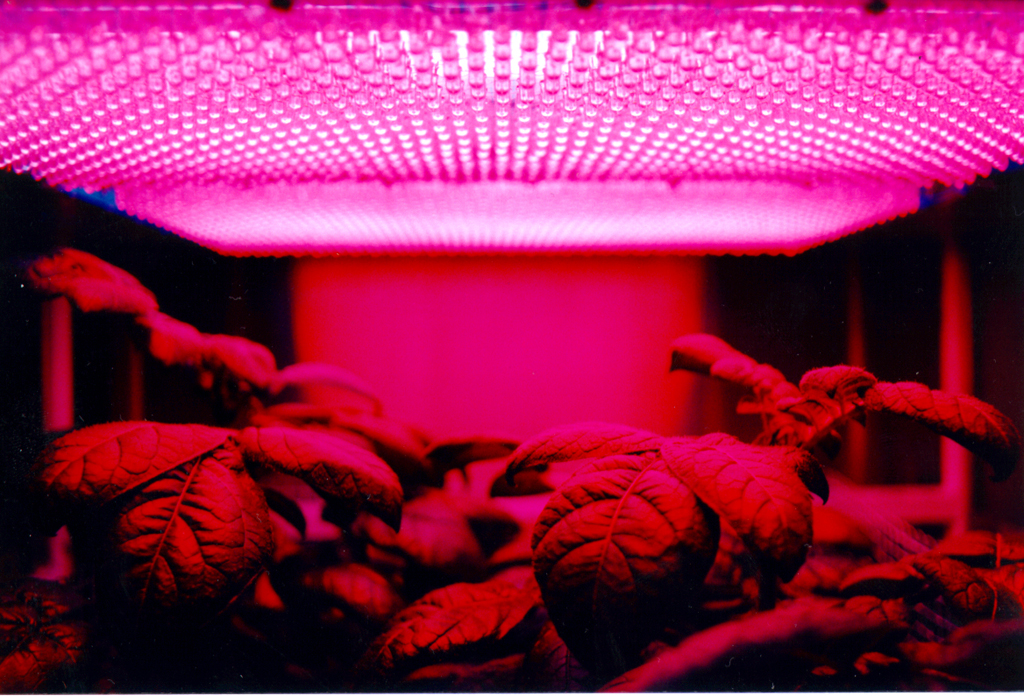
Updated June 2026 Read article →Natural daylight hours in cities like Calgary or Ottawa drop below eight hours in December. This guide explains how to choose and position supplemental grow lights for seedlings.
Updated June 2026 Read article →Winter heating systems reduce indoor relative humidity significantly. This article looks at watering frequency, bottom-watering techniques, and how to maintain adequate moisture levels without overwatering.
Updated June 2026 Read article →Canada's winters create a distinctive challenge for anyone trying to start seedlings early. In most provinces, meaningful outdoor growing is not possible from November through March, and in some regions the window extends even further. Windowsill growing fills this gap: it uses the available south-facing or west-facing glass area to provide natural light, supplemented by artificial sources when daylight hours fall short.
This site focuses on the practical details — how to size a humidity dome, what daily light integral means for a tomato seedling in January, and how central heating affects the moisture in a small tray of growing medium. The goal is specific, tested information rather than general gardening advice.
Content draws on publicly available horticultural research from institutions including the Agriculture and Agri-Food Canada and published guidance from the Royal Horticultural Society.